
Technology02
3D / stereo depth
depth as a hardware output
eYs3D computes depth where it belongs — on dedicated silicon. Two views in, dense disparity out, with no host GPU in the loop: the proprietary stereo depth engine inside the eSP-series ISPs has been refined across seven IC generations.
- 7
- eSP IC generations
- 4
- camera form factors shipping
- 0
- host GPUs required
01
Two eyes, one chip
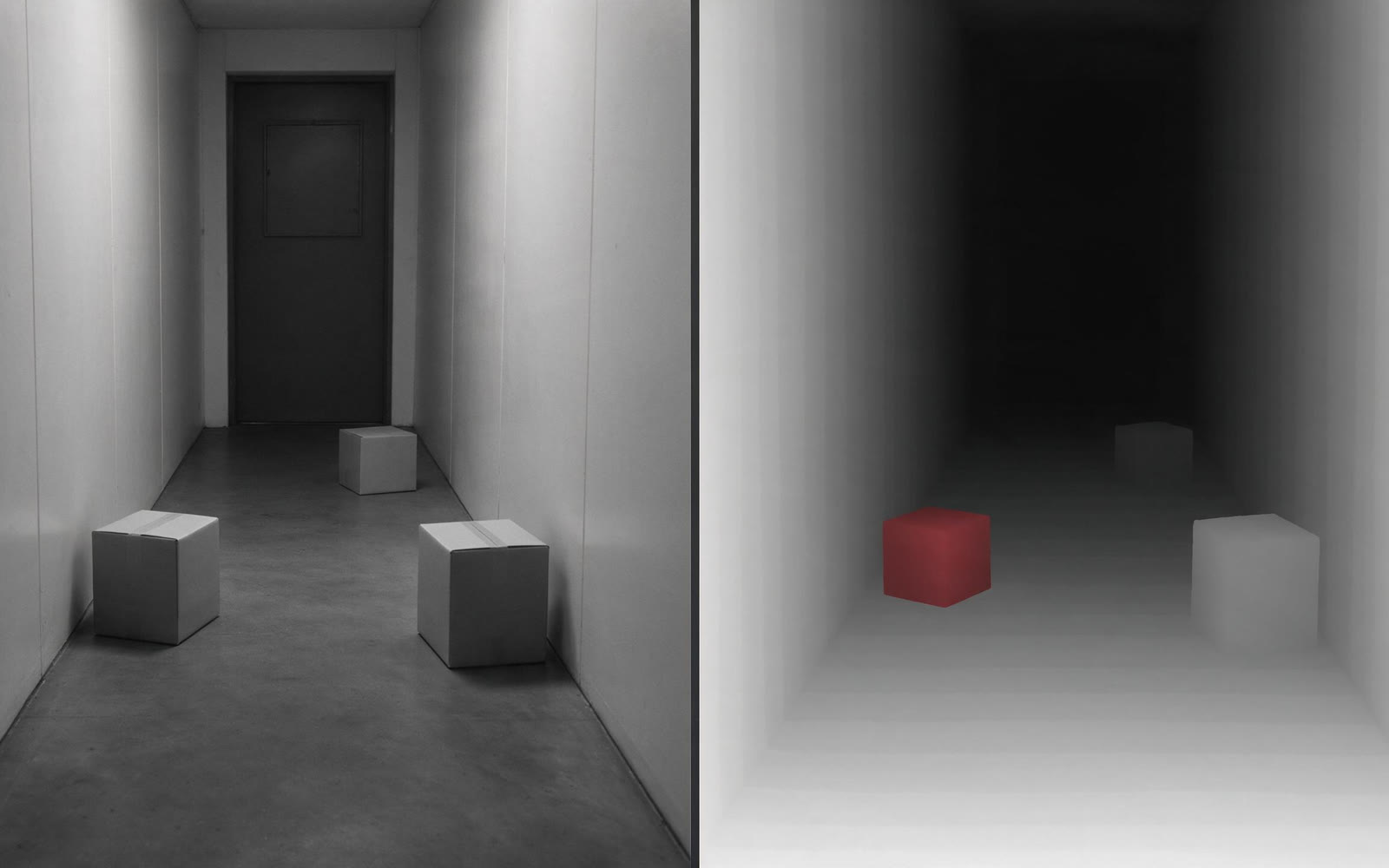
Stereo depth triangulates distance from the disparity between two synchronized global-shutter views. On XINK SENSE cameras that entire pipeline — rectification, matching, filtering — runs inside the eSP ISP, delivering dense depth maps in real time at camera power budgets.
02
Active projection for hard scenes
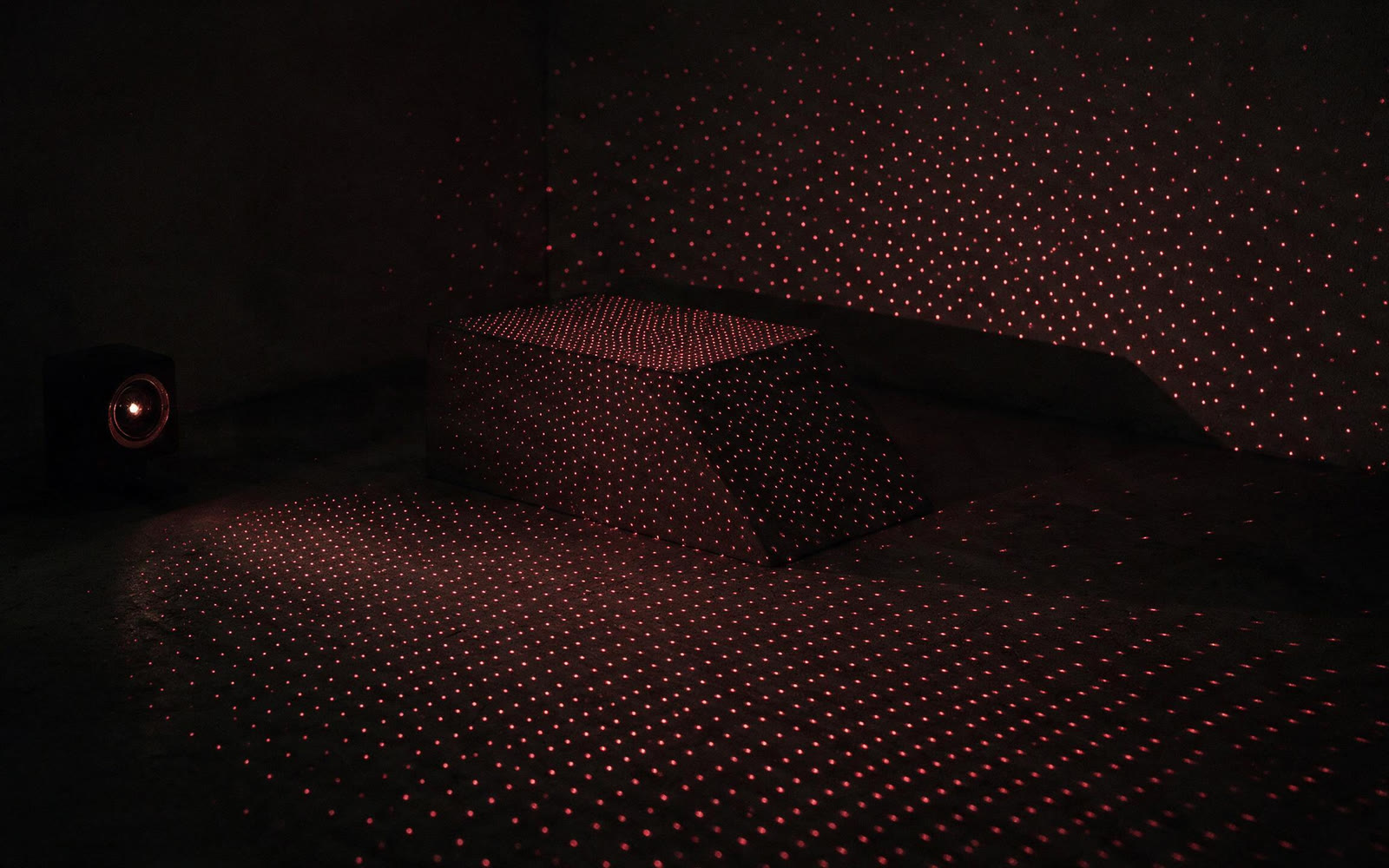
Texture-poor surfaces — white walls, glass, floors — starve passive stereo. eYs3D pairs its cameras with random and patterned IR dot projectors (proprietary ASV pattern DOE), painting invisible texture onto the scene so the depth engine keeps locking on.
03
Silicon 4.0: heterogeneous integration
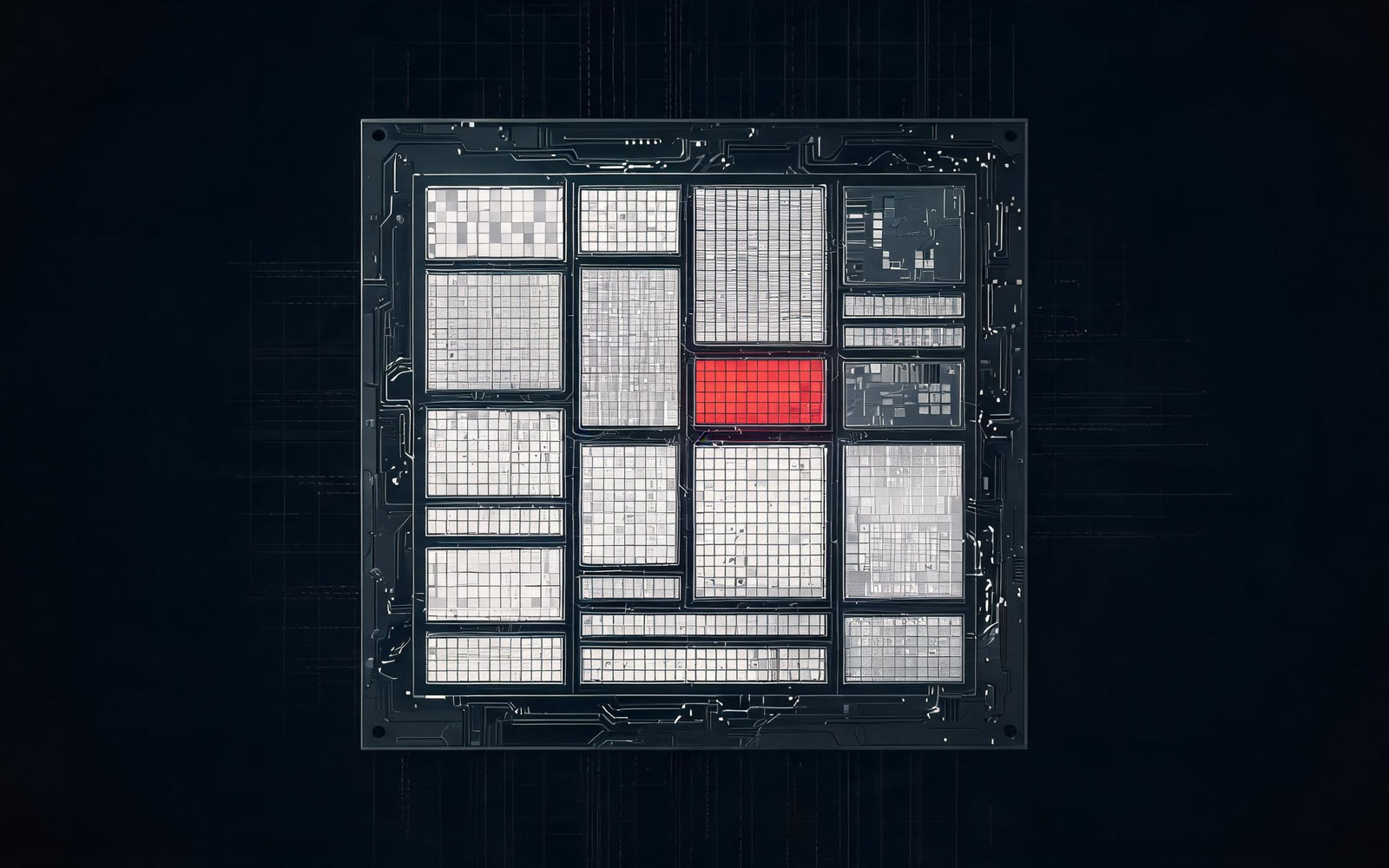
The eSP platform integrates ISP, de-warp, depth, and USB control functions and pairs them with dot-projector auxiliaries and customized sub-systems — FOV, sensor, baseline, aperture, and domain-specific firmware tuning. One vertically integrated pipeline from photons to point cloud.
The eSP ISP family
| eSP936 | Seven-sensor bridge with stereo depth |
|---|---|
| eSP930 | Seven-sensor de-warp bridge hub |
| eSP876 | HD stereo depth IC |
| eSP777 | 4K picture capture de-warp IC |
| eSP776 | FHD MJPEG stereo bridge |
| eSP570 | Vision + audio sensor hub |
Start with a dev kit, scale to a fleet.
Get XINK SENSE on your bench this week, or talk to us about the full stack.